
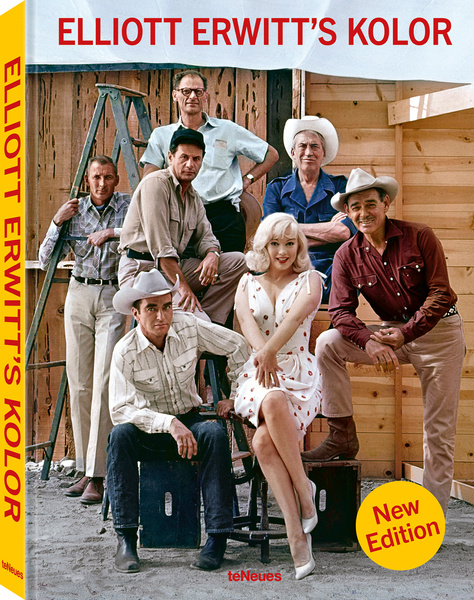
Elliott Erwitt's Kolor
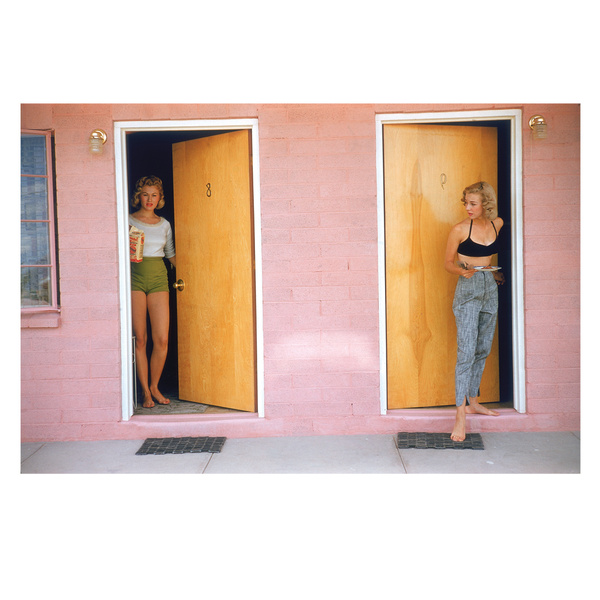
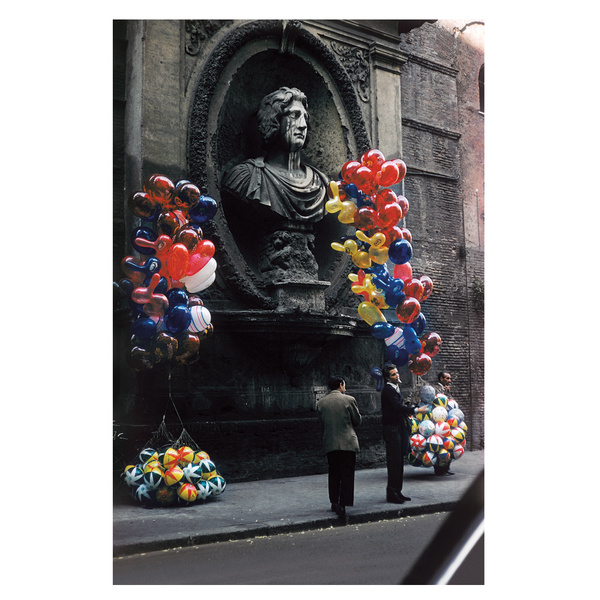
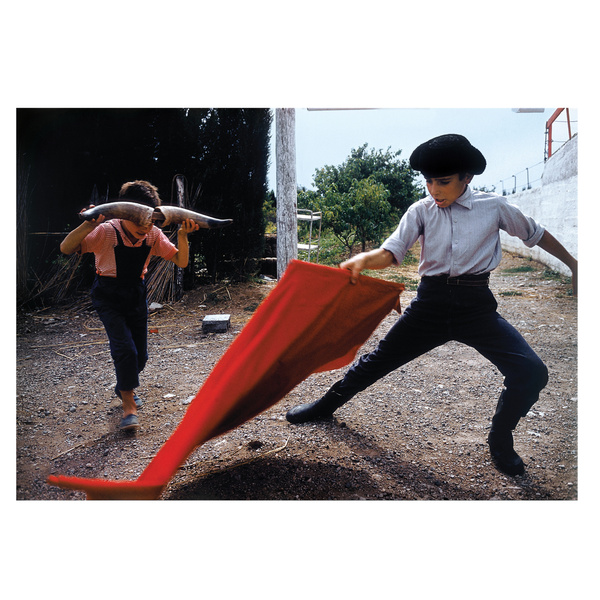
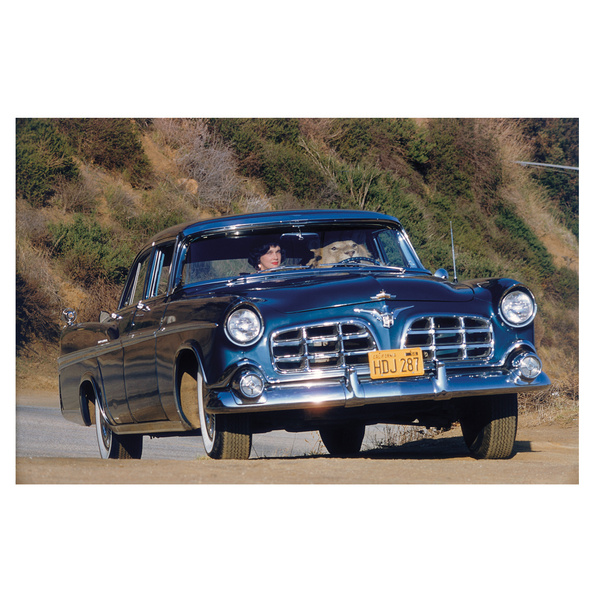
- When we think of photographers whose names have become synonymous with a singular way of seeing the world, Elliott Erwitt occupies a very special place.
In his black-and-white photographs we find subtle humour, the irony of everyday life, and a deep tenderness towards the people he encountered across the world. Elliott Erwitt’s Kolor opens another chapter of this story. This time, it is colour that guides us through the artist’s photographs.
Many years have passed since we sold the last copy of the 2013 edition of Elliott Erwitt’s Kolor in our bookstore. In that time, the book became something of a holy grail on the European rare book market, with copies in excellent condition reaching prices of several thousand zlotys. All the greater, then, was my excitement when I heard about the release of this new edition.
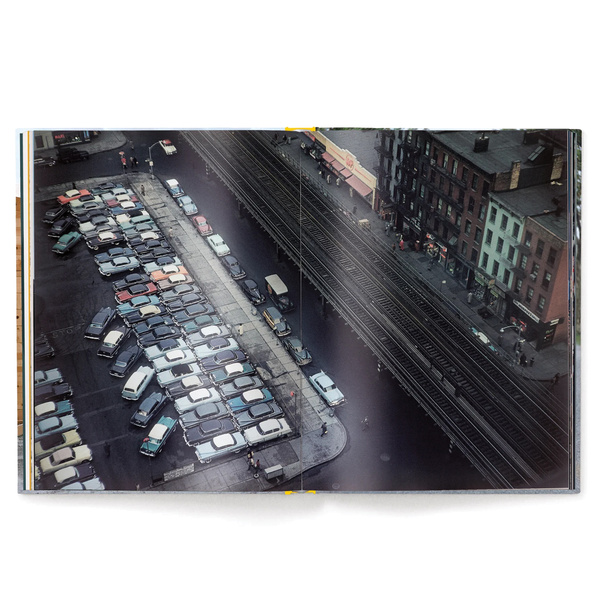
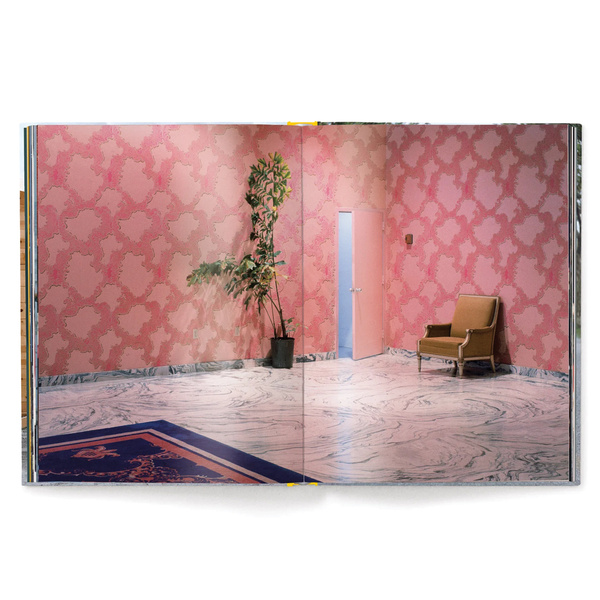
So what does the new edition bring? First and foremost, a change in scale. Compared to the 2013 version, the book has been noticeably slimmed down: the page count has been reduced from 448 to 304 pages, while the format itself is now more restrained. The previous edition — comparable in size to Helmut Newton’s monumental SUMO — functioned almost as an exhibition object. The new edition has been reduced by several centimetres in every dimension, while retaining its hardcover binding and the character of a book intended for careful viewing, rather than merely serving as a “coffee table book.” Importantly, the new edition also returns at a significantly lower retail price — 249 PLN / 199 PLN in our promotion (compared to 399 PLN for the 2013 edition).
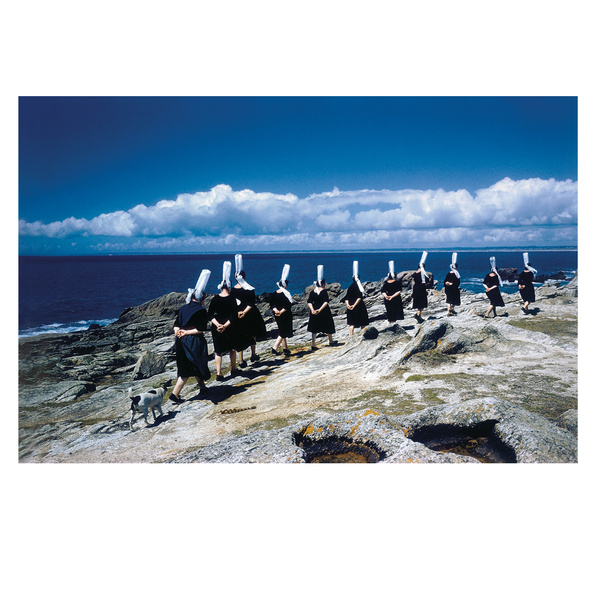
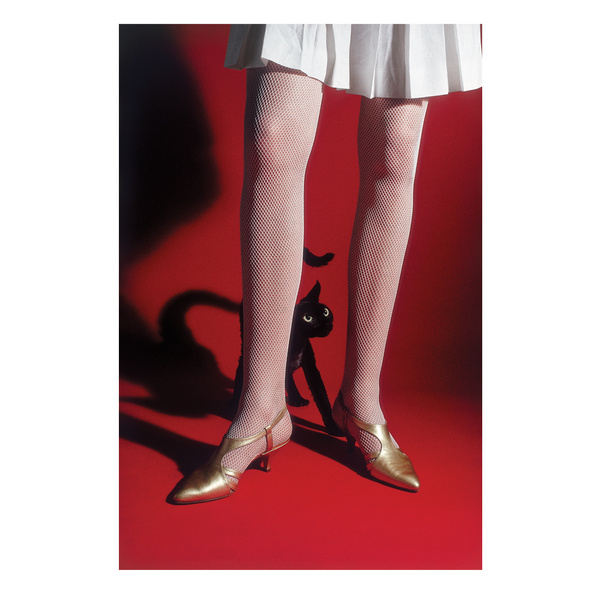
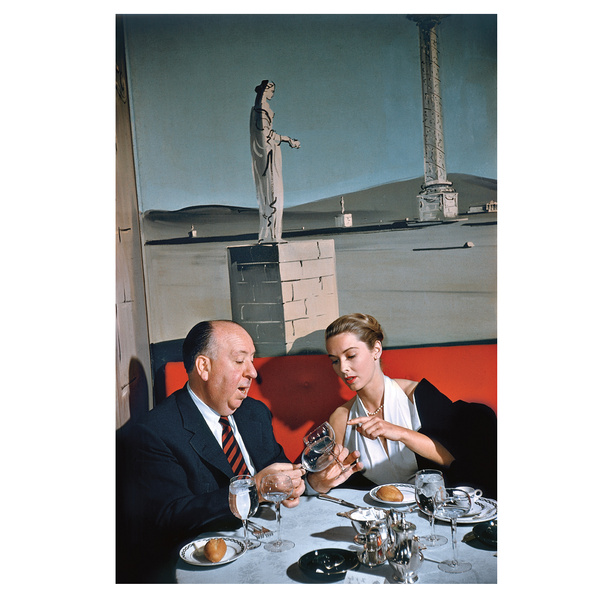
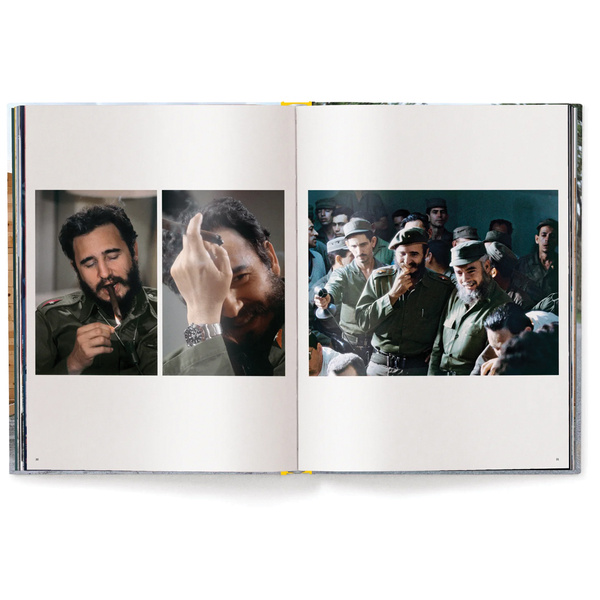
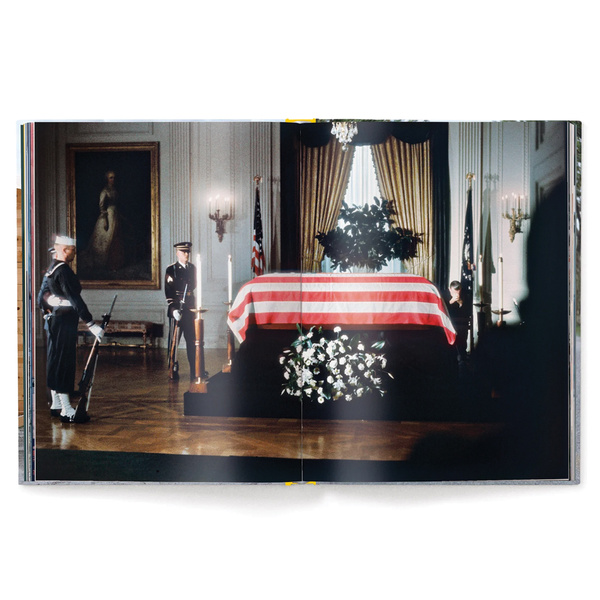
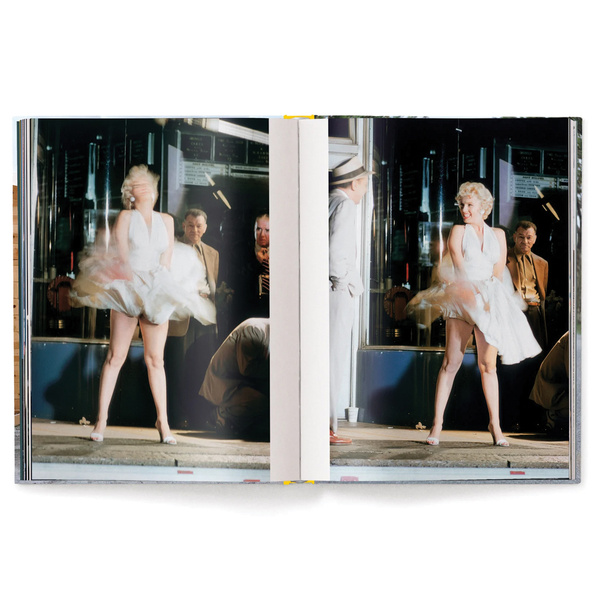
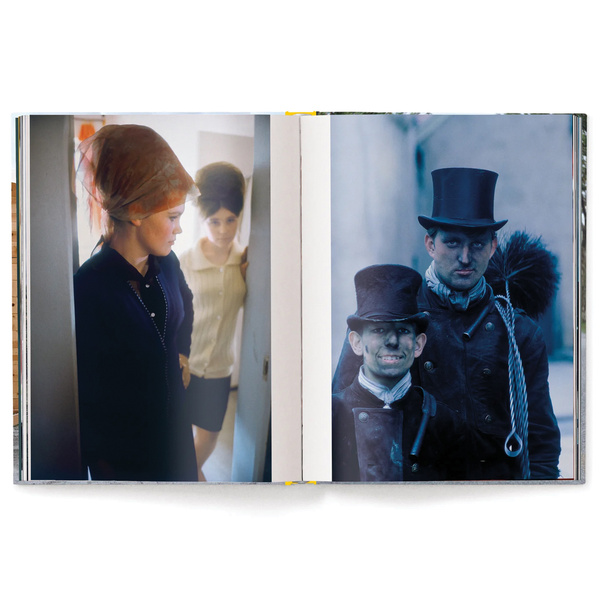
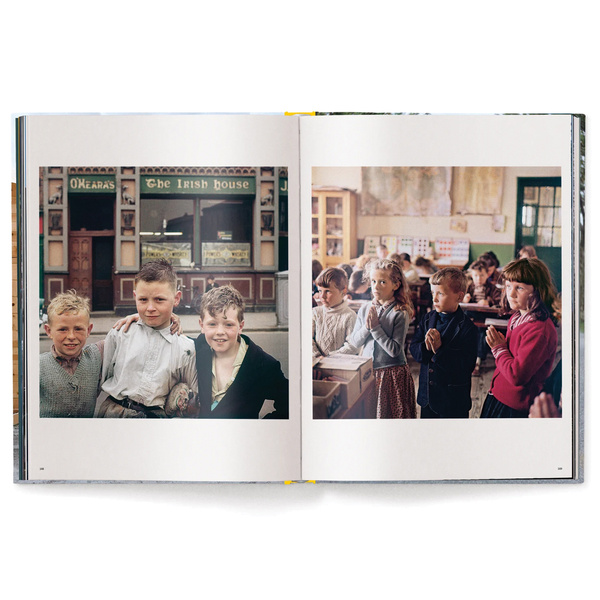
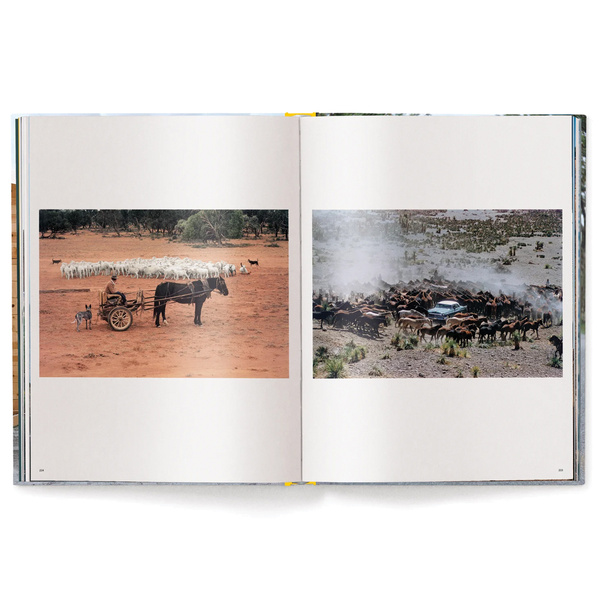
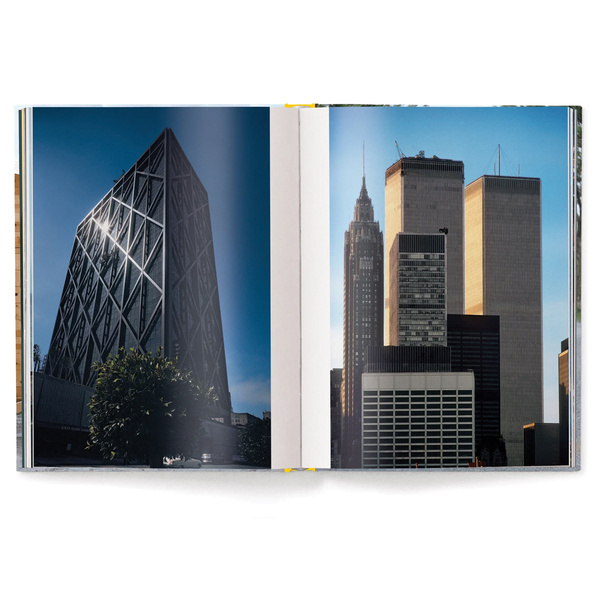
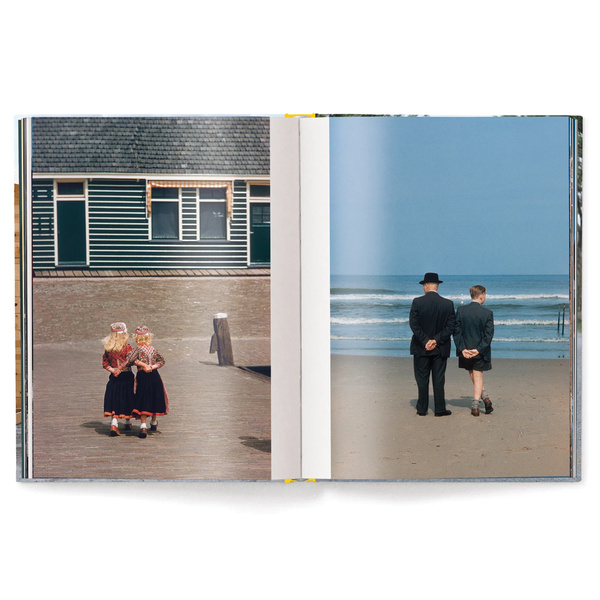
Opening the book, we find a carefully curated selection of colour photographs chosen from an archive of nearly half a million Kodachrome slides. Across 304 pages, the reader encounters images spanning the last seventy years, their colours preserved in remarkably vivid, almost luminous tones. Among them is a portrait of John F. Kennedy seated at his desk in the Oval Office (Washington, 1962). There is also the famous photograph of Alfred Hitchcock and Vera Miles (New York, 1957), taken during the promotion of The Wrong Man. At the time, Hitchcock saw Miles as his new muse — a successor to Grace Kelly — and envisioned a long-term collaboration with her. History, however, took a different course: Miles appeared in only two Hitchcock films, and the director’s ambition to build a new screen myth around her remained unrealised.
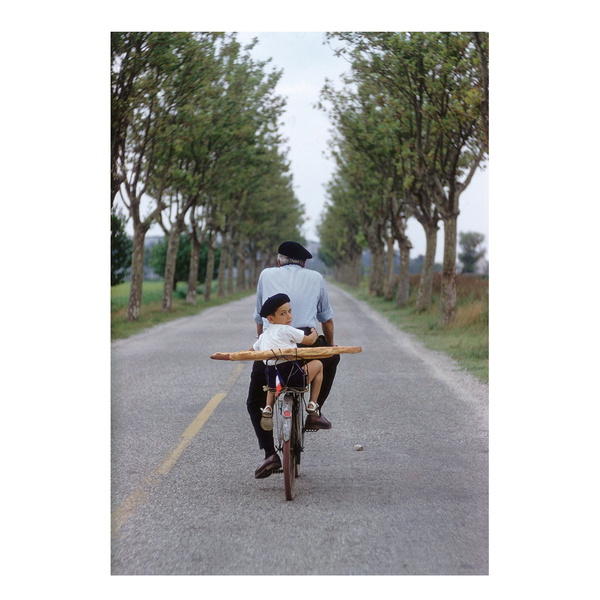
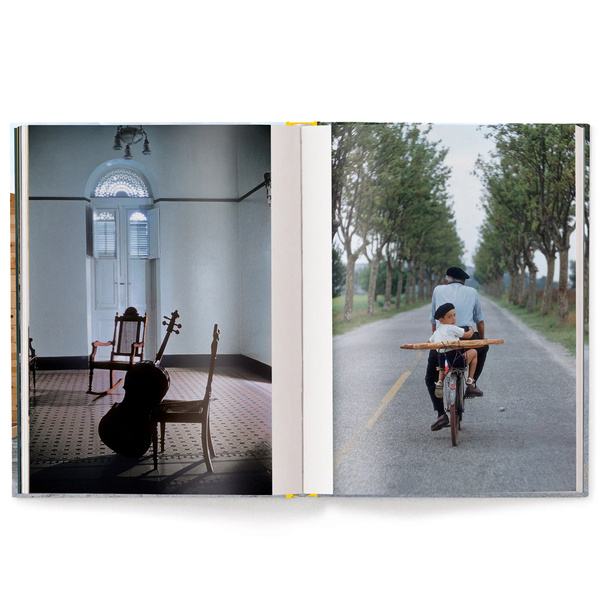
Also included — perhaps surprisingly for many readers — is a colour version of one of Elliott Erwitt’s most famous black-and-white photographs: Provence, 1955, depicting a boy riding on the back of a bicycle together with his father or grandfather, accompanied by two baguettes. The inclusion of this colour version offers a perfect opportunity to revisit the true story behind the image. Contrary to what many of us long assumed, this was not a spontaneous “decisive moment” photograph, but a carefully staged scene. Erwitt, usually celebrated as a master of street reportage, was in this case working on commission for a French tourism campaign. The man on the bicycle was his assistant, the boy was the assistant’s nephew, and Erwitt even placed a stone on the road as a marker so the child would know when to look toward the camera. The scene was repeated several times, with Erwitt alternating between colour and black-and-white film.
The album also includes several photographs taken in Poland. On assignment for Time magazine, Elliott Erwitt visited the country twice, and the following pages feature nine photographs from his 1964 journey through Poland. Among them are the famous image of a queue for confession in Częstochowa, a mysterious couple in Kraków’s market square (with a watermelon stand visible in the background), a haunting photograph of the entrance gate to Auschwitz, and an image from an unidentified location showing a Polish tank among the trees, with two children climbing on top of it (perhaps one of you knows where this photograph was taken?).


